
A Complete Guide to Selecting Cleanroom Suits & Garments
Cleanroom suit and garment selection is a key element to maintaining a critical environment, but what’s the first step to instilling protocol? Every cleanroom environment is unique and often application specific, but Flow is here to guide you through determining which garments to use. Understand the value behind regulated suits in cleanrooms, the ideal materials to consider, and garment change frequency with the help of our guide.
The Importance of Regulated Garments in Cleanrooms
Every piece of equipment, cleaning product, and personnel that goes into a cleanroom needs to follow set regulations to keep the space contaminant-free. Cleanroom suits and garments are specially made to limit the amount of bacteria that people could bring into a cleanroom. These articles of clothing are also necessary to keep an employee safe from various chemical hazards while they are working in the cleanroom.
What Garments Are Required in a Cleanroom?
The specific garments required in a cleanroom depend on its ISO class and regulations, but often involve lab coats and frocks, or coveralls that serve as a full suit over the body. Other items for added safety measures include shoe/boot covers, bouffant caps and hoods, masks and beard covers, and sleeves. Based on your specific cleanroom, many of these items may be required once you enter the contaminant-free environment.
Cleanroom Garment Materials
Since there are many different materials and fabrics used to make cleanroom garments, choosing the best ones for your needs can be complicated. Knowing each material’s benefits and shortcomings can be helpful in this process, which is why we’re providing an overview of the most common materials used for disposable cleanroom gowning products.
Single Layer Polypropylene
Also known as PolyPro (PP), this material is a thermoplastic polymer. Nearly all disposable garments have some level of PP in the makeup of the fabric. The lowest cost cleanroom garments are made of a single layer of PP, available in various basis weights or material thickness. Most bouffant caps, beard covers, and low-cost lab coats are made of this single layer construction.
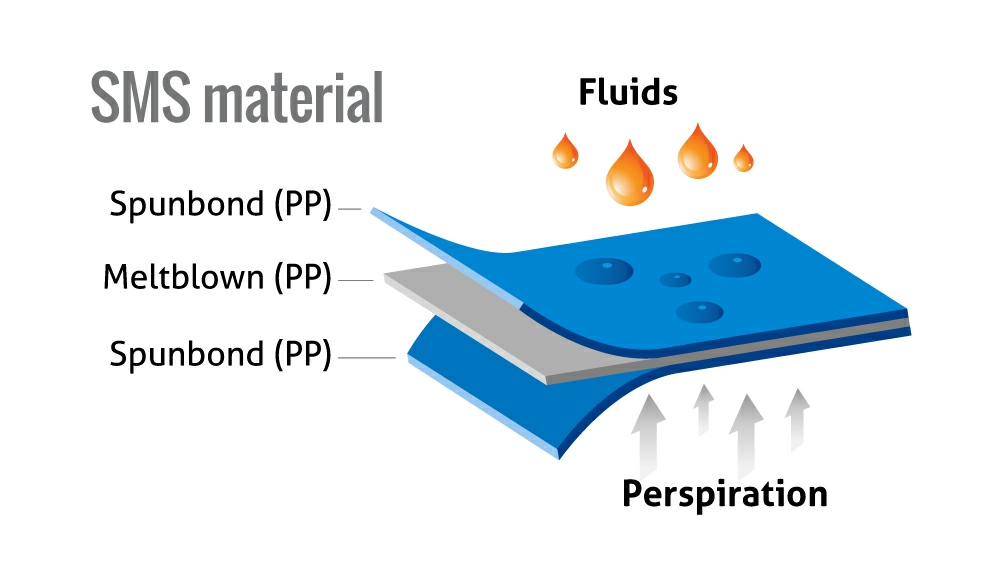
SMS - Three Layer PP
SMS is a material consisting of three layers PP. One layer of Melt Blown PP is sandwiched between two layers of Spunbound PP. This material is great for added durability over single layer PP material. SMS also provides liquid resistance, yet it's breathable and fairly low-linting.
Microporous - PE Laminated
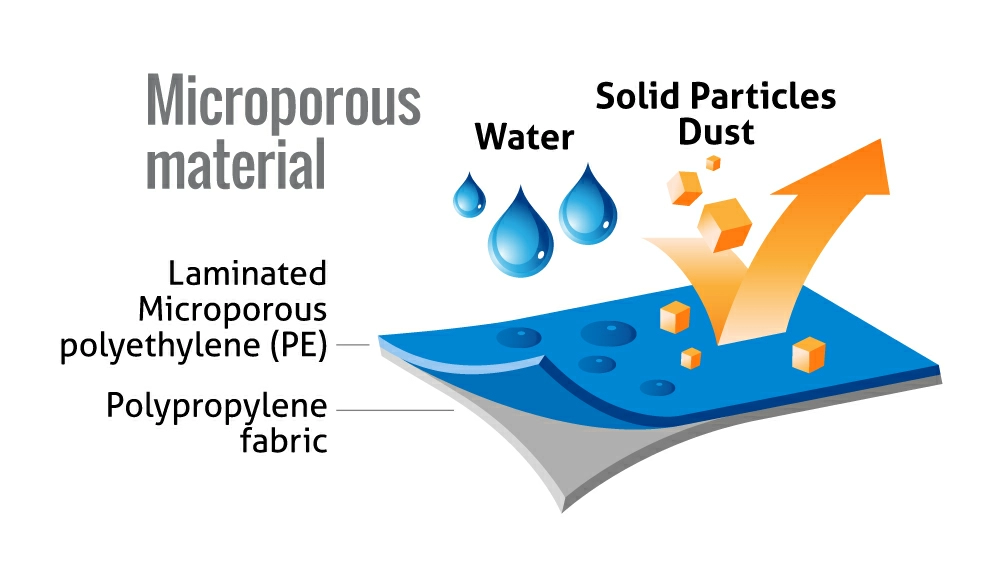
Microporous is a PP material laminated with polyethylene. Considered to be a great alternative to Tyvek, a microporous material offers the ultimate level of durability. It is impervious, and extremely clean for the most critical environments.
How Often Should a Cleanroom Suit or Garment Be Changed?
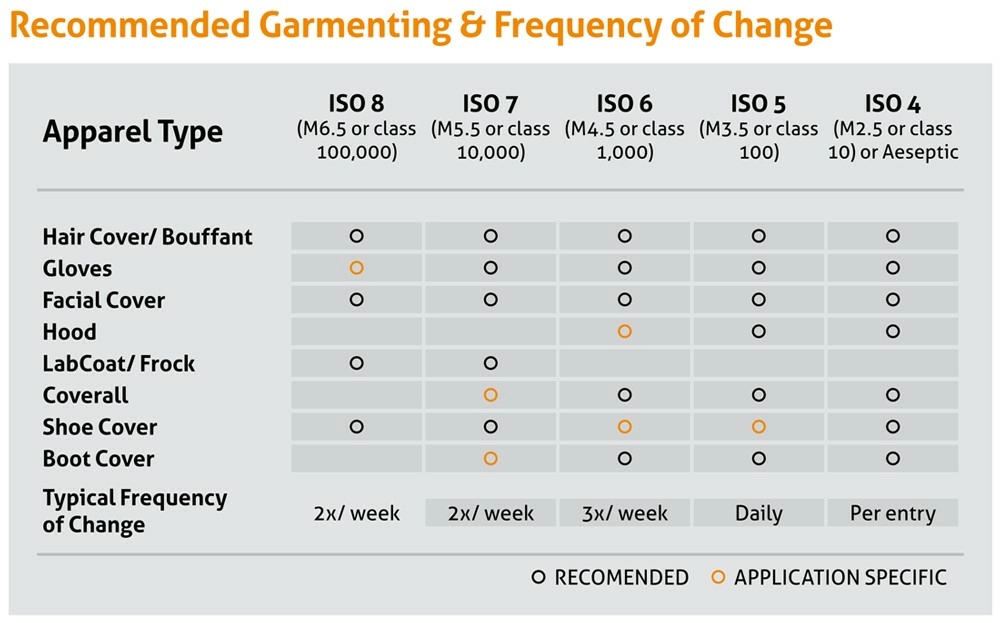
Knowing which type of cleanroom suit to get is one thing, but knowing when and how often to change them is another. The frequency of how often you should be changing your cleanroom garments depends on your specific contaminant-free environment. Generally, the stricter your regulations for cleanliness are, the more frequently you’ll be replacing your garments – this includes anything from gloves to hoods to coveralls. The graphic below outlines the typical change frequency for a variety of apparel types.
Shop Cleanroom Suits & Garments From Flow
Ready to stock your cleanroom with the best garments and supplies to keep the environment contaminant-free? Look no further than our robust product catalogue at Flow Cleanrooms. Browse our supplies list, or contact our team of experts for more information and we’ll be happy to help.

Still have questions?
Our team of cleanroom experts are here to help. Call us at (616) 719-4470 or send us a message.

Explore More!
We strive to bring you the latest relevant information.