


Loading...
Cleanroom Resources and Guides

Loading...
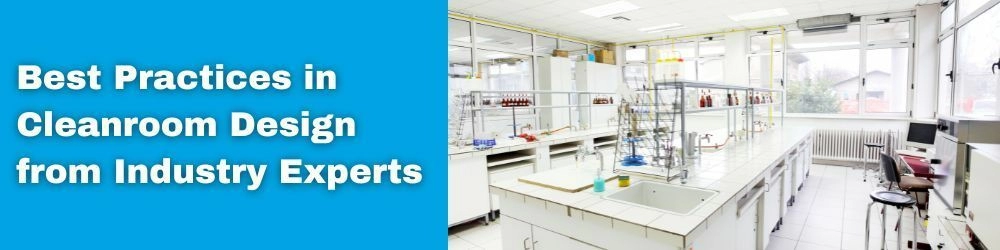
Best Practices in Cleanroom Design from Industry Experts
Cleanroom design is deliberately complex. We've simplified it. Our team of industry experts has documented the best practices you need to meet regulatory standards and build with confidence.
Loading...
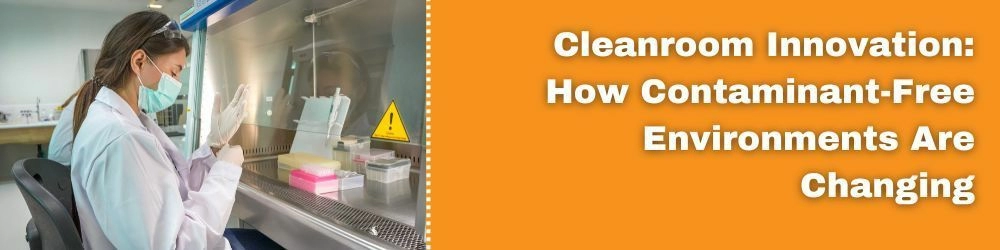
Cleanroom Innovation: How Contaminant-Free Environments Are Changing
With the introduction and implementation of Industry 4.0, manufacturing worldwide has radically shifted, and cleanrooms are no exception to this change. Let’s explore just how far the cleanroom industry has come.
Loading...
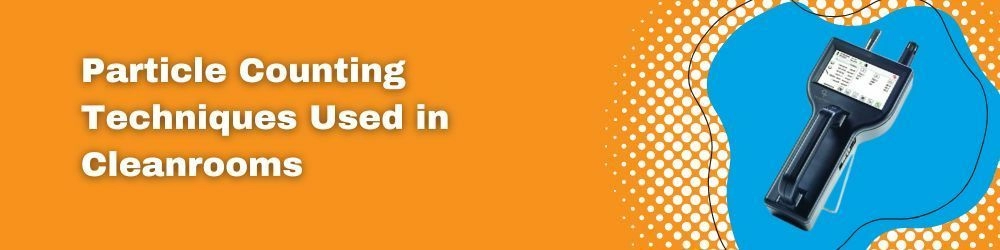
Particle Counting Techniques Used in Cleanrooms
Maintaining a proper cleanroom environment means engaging in a constant battle against microscopic targets whose existence threatens the integrity of critical (and critically sensitive) products. In the precision-driven environments of cleanrooms, what you can’t see on your own matters the most; a single stray particle determines whether a batch is successful and clean or a costly setback. Let’s explore popular particle counting techniques to help you choose the right tools to keep your cleanroom pristine.
Loading...
Why is Air Pressure Differential Important in cGMP Cleanrooms?
Cleanroom environments are essential to many industries where contamination control is non-negotiable. In manufacturing facilities that follow current Good Manufacturing Practices (cGMP), maintaining cleanroom integrity and performance is critical not only for product quality but also for regulatory compliance.
Loading...
USP <797> vs. USP <800>: What’s the Difference—and Why It Matters
Designing a pharmaceutical cleanroom isn’t just about building walls and installing filters—it’s about meeting strict regulatory standards that ensure safety and compliance. Two of the most important guidelines in this space are USP <797> and USP <800>.
Loading...
Cleanroom Challenges: How to Spot and Solve Common Issues Before They Compromise Your Space
Keeping a cleanroom running smoothly is no easy task. These spaces are built to be ultra-controlled, which means even a small hiccup—like a shift in airflow or a lapse in procedure—can throw everything off. When things go wrong, it’s not just an inconvenience; it can affect product quality, safety, and regulatory compliance.
Loading...
How to Design a USP <800> Compliant Cleanroom
USP <797>, created by the United States Pharmacopeia (USP), establishes the manufacturing standards and processes for sterile pharmaceutical compounding. It outlines critical requirements for facility design, environmental controls, personnel training, and quality assurance to minimize the risk of contamination and ensure patient safety.
Loading...
How to Design a USP <797> Compliant Cleanroom
USP <797>, created by the United States Pharmacopeia (USP), establishes the manufacturing standards and processes for sterile pharmaceutical compounding. It outlines critical requirements for facility design, environmental controls, personnel training, and quality assurance to minimize the risk of contamination and ensure patient safety.

Loading...
Matt Ostwalt Joins Flow Cleanrooms to Lead Business Development for its Controlled Environments Supply Division
Flow Cleanrooms and Supply, a leading provider of cleanroom solutions and supplies for controlled environments, is pleased to announce the appointment of Matt Ostwalt as Director of Cleanroom Supply Sales. In this role, Matt will lead the strategic growth of the company’s supply distribution network, which delivers best-in-class furniture, equipment, and consumables tailored to the needs of regulated cleanroom environments.


