Designing a pharmaceutical compounding cleanroom requires adherence to regulations, attention to the activities and personnel inside the cleanroom, environmental monitoring and air management, proper materials and surfaces, and standard operating procedures for every process. To help make this information more digestible, we’ve broken down the essential components for designing a pharmaceutical cleanroom.
Hardwall and rigidwall cleanrooms, while seemingly similar in their fundamental purpose of contamination control, possess key differences that significantly shift their functionality and suitability for various applications. Our comprehensive guide delves into the intricate details of each type, helping you discover which solution is best tailored for your operations
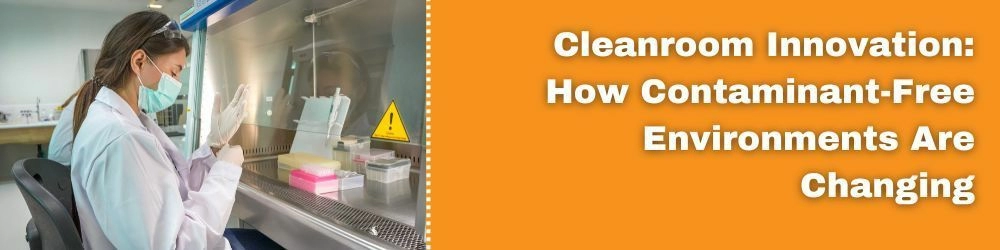
With the introduction and implementation of Industry 4.0, manufacturing worldwide has radically shifted, and cleanrooms are no exception to this change. Let’s explore just how far the cleanroom industry has come.
Cleanroom environments are essential to many industries where contamination control is non-negotiable. In manufacturing facilities that follow current Good Manufacturing Practices (cGMP), maintaining cleanroom integrity and performance is critical not only for product quality but also for regulatory compliance.
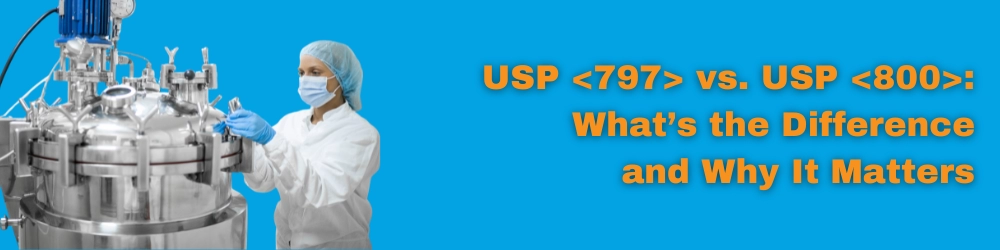
Designing a pharmaceutical cleanroom isn’t just about building walls and installing filters—it’s about meeting strict regulatory standards that ensure safety and compliance. Two of the most important guidelines in this space are USP <797> and USP <800>.
Keeping a cleanroom running smoothly is no easy task. These spaces are built to be ultra-controlled, which means even a small hiccup—like a shift in airflow or a lapse in procedure—can throw everything off. When things go wrong, it’s not just an inconvenience; it can affect product quality, safety, and regulatory compliance.
USP <797>, created by the United States Pharmacopeia (USP), establishes the manufacturing standards and processes for sterile pharmaceutical compounding. It outlines critical requirements for facility design, environmental controls, personnel training, and quality assurance to minimize the risk of contamination and ensure patient safety.
USP <797>, created by the United States Pharmacopeia (USP), establishes the manufacturing standards and processes for sterile pharmaceutical compounding. It outlines critical requirements for facility design, environmental controls, personnel training, and quality assurance to minimize the risk of contamination and ensure patient safety.
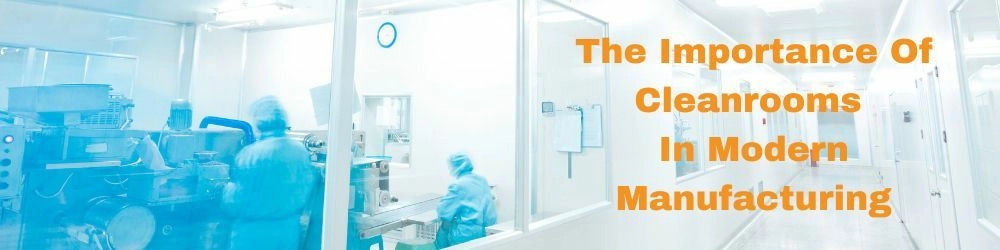
In manufacturing, production for its wide range of industries – from pharmaceuticals to electronics – often requires strict regulations. Cleanrooms play a very important role in these types of manufacturing environments, as they help to keep processes contaminant-free. If you’re exploring cleanroom solutions for your own manufacturing space, it’s important to understand how cleanrooms are used in these industries, why they are important, and how to determine which cleanroom is the best fit for your needs.